Department of Political Science Launches New National Security Certificate
National security is an increasing concern in the age of artificial intelligence, great power competition, and evolving warfare. Research and teaching about national security is a core part of what we do in the Political Science department.
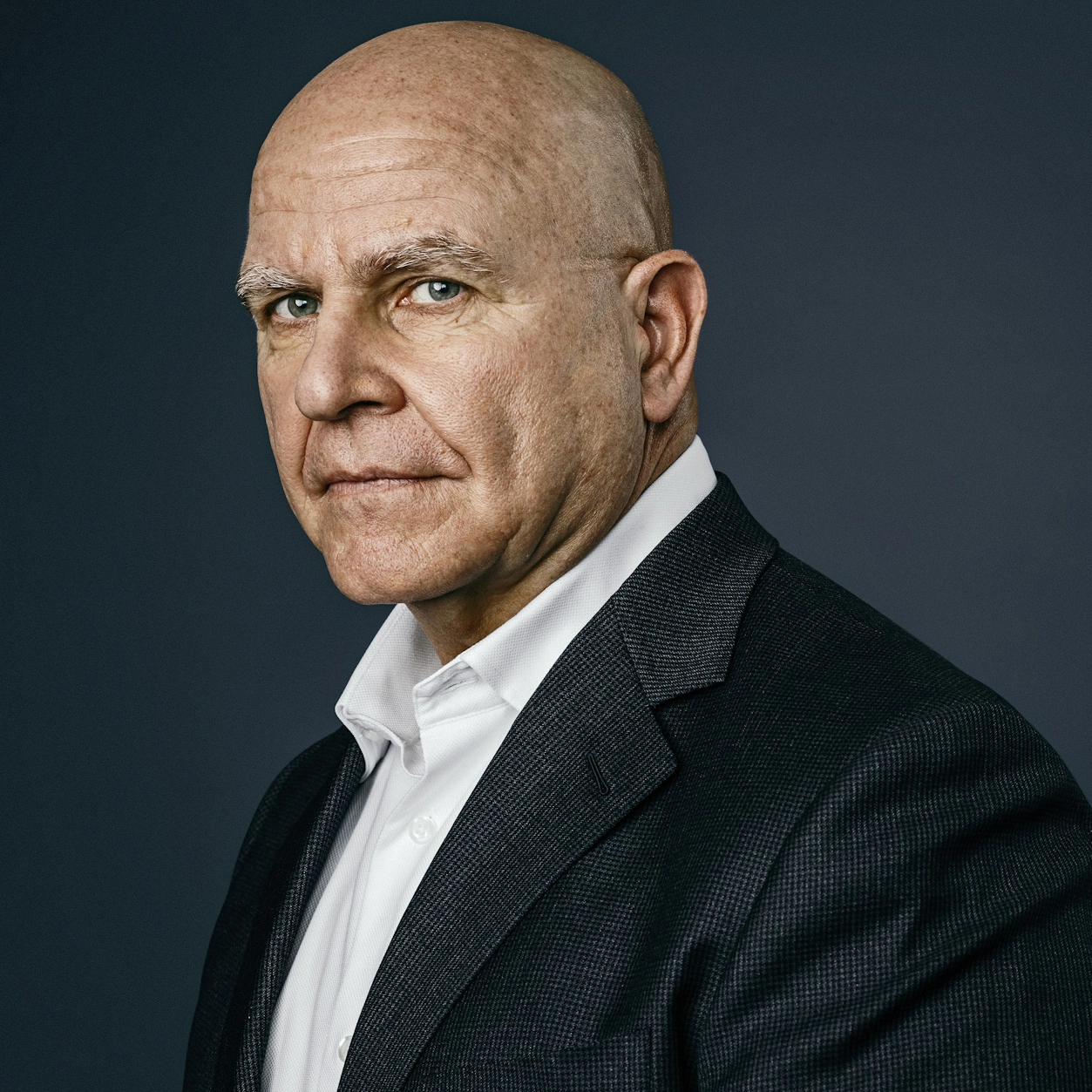
Lieutenant General (Retired) H.R. McMaster – 25th National Security Advisor to the United States
This focus was recently on display in an on-campus event featuring a conversation about current national security challenges hosted by the Political Science department with Lt. Gen. (Ret.) H. R. McMaster, 25th National Security Advisor of the United States. The event, made possible by the generous support of the Roger and Michelle Mansukhani and Family Lecture Fund, included both a private meeting with student groups in the department and a conversation with the Department Chair, Nadav Shelef. Along with fascinating stories from his military career, General McMaster offered his perspective on the US’s present military engagements, and insight into the road ahead for US national security. He recounted the important lessons he learned throughout his career, and how they have informed his decision-making. Perhaps of special relevant for the approximately 150 students in the room, General McMaster offered important advice for the next generation of leaders, stressing the importance of a broad education, the rewards of a career in service (military or otherwise), and encouraging young people not to settle down too early – to go do something adventurous and exciting.
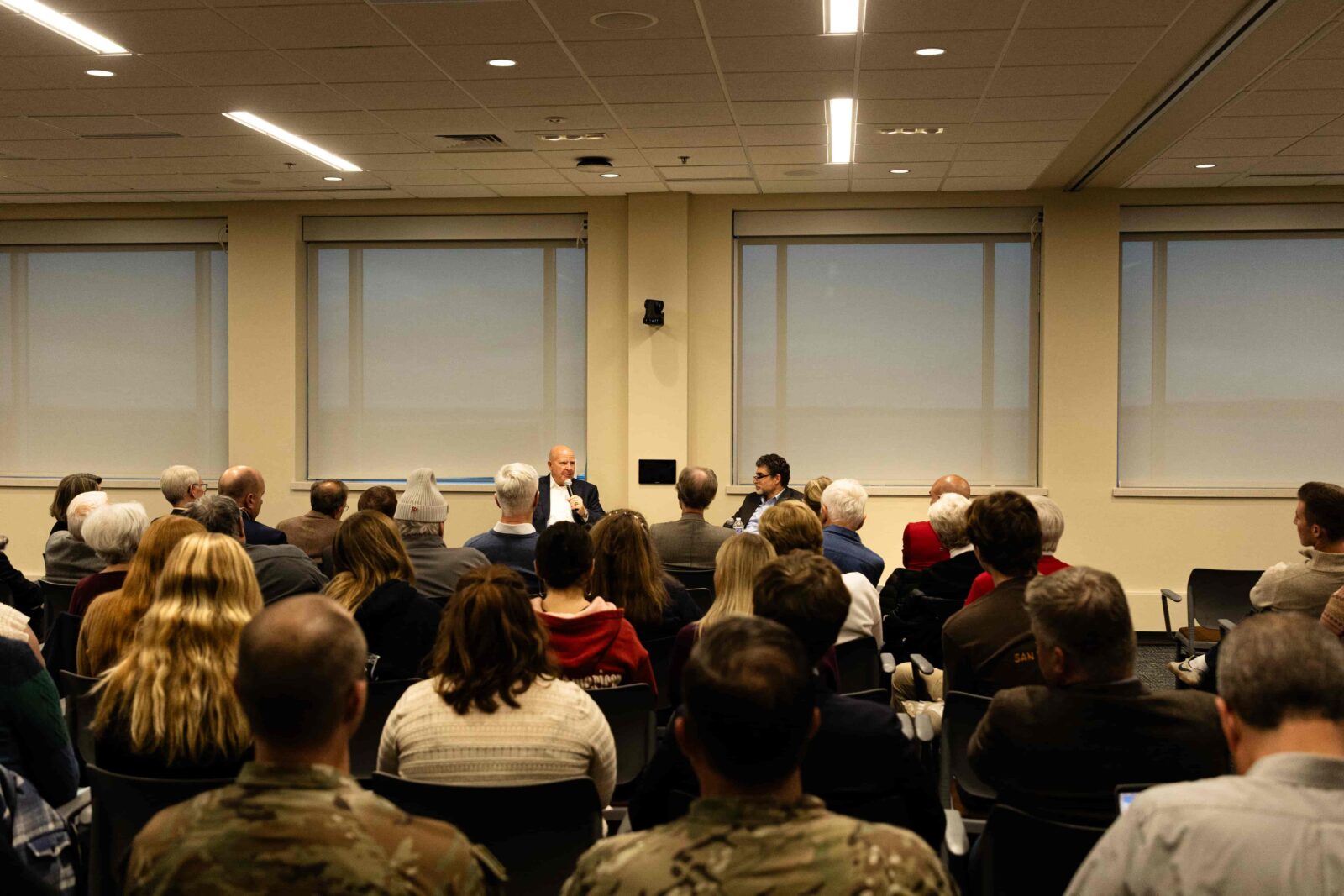
General McMaster and Professor Shelef discuss U.S. national security with students and friends of the department.
This event is part of the celebration of the start of the new National Security Certificate launched by the Political Science department this year: a 15-credit interdisciplinary certificate designed to equip the leaders of tomorrow with knowledge about national security policy and institutions, civil-military relations, conflict, diplomacy and global strategy, emerging threats like cyber warfare and terrorism, and ethics and leadership in security decision-making. This certificate is also intended to lessen the civilian-military divide in our country by providing greater familiarity with military principles and leadership to our political science undergraduates. To meet these goals, the certificate requires students to take courses in political science, history, and the university’s ROTC programs.
The certificate is already proving incredibly popular, with 56 students already enrolled in its first semester. To learn more about the National Security Certificate visit polisci.wsic.edu/national-security-studies-certificate. To get on our email list to learn more about events, including ones dealing with national security, from the political science department, subscribe to our newsletter.